Monday, May 22, 2024

Building blocks safety issues parents often overlook
Building blocks remain one of childhood’s most trusted play tools, yet many building blocks safety issues stay hidden until a close look. Age labels help, but they rarely tell the full story.
Material quality, magnet strength, edge finishing, and cleaning design all affect daily safety. For families balancing creativity, education, and durability, smarter choices start with understanding real-use scenarios.
This matters across the broader recreation and educational products industry. Safe design supports learning, reduces avoidable risks, and protects the long-term value of toys that shape early problem-solving skills.
Why home play scenarios change building blocks safety priorities
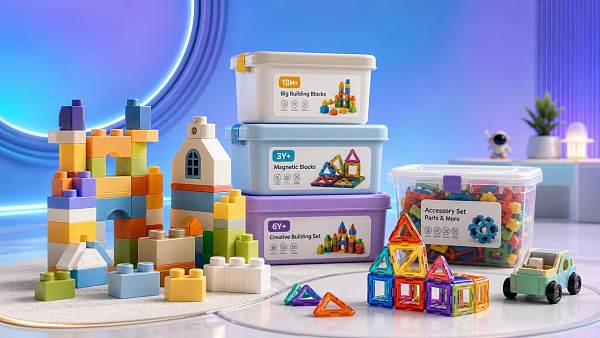
Not every home uses building blocks in the same way. A toddler exploring by mouth faces different risks than a seven-year-old mixing parts across several sets.
That is why building blocks safety should be judged by context, not packaging alone. The right set in one room may be the wrong set in another.
Parents often focus on educational value first. They compare colors, themes, and STEM features, but overlook exposure points like floor play, storage bins, or older siblings sharing pieces.
A good safety check asks practical questions. Who uses the blocks? Where are they stored? Are pieces mixed? Is the set cleaned often? Are pets or babies nearby?
Scenario 1: Toddler floor play creates the highest hidden building blocks safety risk
Floor play is common, but it creates the widest risk zone. Younger children crawl, mouth objects, and find dropped parts faster than adults expect.
In this setting, building blocks safety starts with piece size. If a part fits easily into a child’s mouth, the risk goes beyond inconvenience.
Look beyond the main blocks. Wheels, mini figures, connector pins, decorative caps, and broken fragments can become the real hazard.
Core checks for toddler play areas
- Choose oversized blocks designed for under-three use.
- Inspect for cracks after drops or stepping pressure.
- Avoid mixed storage with older children’s micro parts.
- Check whether paint, printing, or surface coating peels.
- Vacuum or sweep the play zone after each session.
Parents also miss hygiene risks here. Building blocks used on carpets collect dust, hair, saliva, and food residue, especially textured pieces with grooves.
Scenario 2: Mixed-age playrooms make building blocks safety harder to judge
Many homes have shared playrooms. One child may use large educational bricks, while another builds advanced models with tiny components and specialty tools.
This is where building blocks safety often fails. The product itself may be safe, but the environment no longer matches its intended user age.
Small magnetic pieces are especially concerning. If magnets loosen or separate, swallowing more than one can cause severe internal injury.
Sets with electronics, lights, or battery modules also need extra attention. Loose covers, stripped screws, or damaged compartments create another layer of risk.
Warning signs in shared spaces
- Different block sizes stored in one open bin.
- Magnets exposed after rough use or impact.
- Battery modules without secure screw closure.
- Frequent barefoot stepping that may crack pieces.
- Instruction sheets missing, causing improper assembly.
Scenario 3: Budget shopping can hide material and compliance problems
Price matters, but ultra-cheap sets can hide the most overlooked building blocks safety concerns. The problem is not low cost alone. It is low traceability.
Parents may not check what plastic is used, whether dyes meet safety standards, or whether the product passed relevant testing such as EN71 or ASTM-related requirements.
A strong set should feel consistent. Uneven molding, oily surfaces, strong chemical odor, and loose-fitting joints may signal poor manufacturing control.
Surface finish matters too. Sharp gate marks, burrs, and thin flashing can scratch skin, especially during fast assembly or cleanup.
Quick buying checklist
- Check age grading and actual part size together.
- Look for test standard references and brand traceability.
- Read reviews mentioning odor, breakage, or weak magnets.
- Avoid damaged packaging with missing sealing.
- Inspect one sample piece before full use.
How building blocks safety needs differ by use scenario
A safer choice becomes clearer when comparing where and how building blocks are used. The table below highlights the main differences.
Practical ways to match building blocks safety to your home setup
The best safety strategy is not simply buying the most expensive set. It is matching product design to actual use conditions.
Recommended actions by situation
- Use labeled bins for different age groups and piece sizes.
- Rotate advanced sets out of reach when younger children visit.
- Wash washable blocks regularly with mild soap and full drying.
- Count specialty pieces after play, especially magnets or connectors.
- Discard cracked parts immediately instead of saving spares.
- Keep manuals for electronic or mechanical building sets.
It also helps to buy from sources that provide product origin, testing references, and clear material information. Transparent brands reduce guesswork around building blocks safety.
The most common building blocks safety mistakes parents still make
Several mistakes repeat across homes, even when parents are careful. Most happen because daily routines change faster than toy safety assumptions.
Frequent misjudgments
- Assuming age labels cover every household scenario.
- Ignoring broken pieces because the set still works.
- Treating magnetic blocks like standard plastic blocks.
- Overlooking chemical odor after unboxing.
- Leaving play mats or carpets uncleaned for long periods.
- Passing down older sets without rechecking wear.
Another overlooked point is compatibility mixing. Off-brand pieces may fit together, yet different tolerances can create stress cracks or loose attachments over time.
Older secondhand sets deserve extra caution. Sun exposure, repeated washing, and aging plastic can reduce strength, even when the blocks still look acceptable.
A smarter next step for safer building blocks use
Building blocks should support imagination, not introduce preventable risk. The most effective approach combines product screening, storage discipline, cleaning habits, and regular inspection.
Start with one review today. Separate mixed sets, remove damaged parts, and check whether your current blocks match the youngest child who can access them.
When comparing future options, treat building blocks safety as a core buying factor alongside fun, compatibility, and learning value. Better decisions now support safer, longer-lasting play later.
In the wider recreation and educational products landscape, thoughtful safety choices strengthen trust in toys that help children build logic, coordination, and confidence piece by piece.
The Archive Newsletter
Critical industrial intelligence delivered every Tuesday. Peer-reviewed summaries of the week's most impactful logistics and market shifts.