Monday, May 22, 2024

Music China 2026 Opens in Shanghai with 107 Product Debuts and AI Applications
Music China 2026 opened at the Shanghai New International Expo Centre on October 28, 2026, bringing new instruments and AI applications into focus for manufacturers, distributors and buyers. The supplied information identifies no new policy, certification standard or trade requirement associated with the event. From an industry perspective, its relevance to compliance and procurement therefore lies in the questions these products may raise about technical specifications, permitted uses and delivery commitments, rather than any confirmed change in regulatory obligations.
107 Product Debuts Across an International Exhibition
The 2026 edition of the international musical instruments exhibition in Shanghai covers 120,000 square metres across 12 indoor halls and one outdoor hall. More than 1,500 companies from 31 countries and regions are participating.
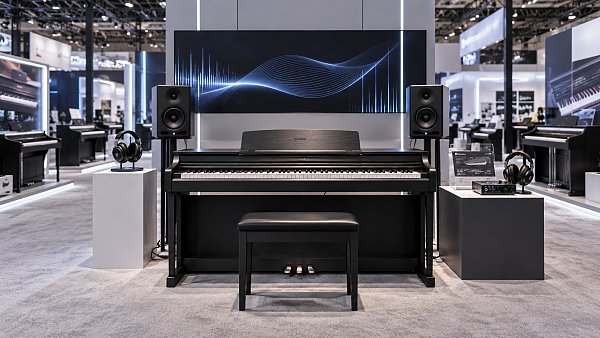
The exhibition programme includes 107 product debuts and 43 offerings described as new product concepts. AI music creation, intelligent audio technology and AI-assisted music learning are among the innovation applications attracting industry attention.
AI Features Could Change What Buyers Need to Verify
Manufacturers may face more detailed specification requests
Analysis suggests that the AI applications highlighted at the exhibition could prompt buyers to examine how advertised functions translate into usable products. For manufacturers offering such functions, procurement discussions may extend to supported tasks, operating conditions and any dependencies affecting performance. The supplied information does not establish whether individual exhibits have completed testing, certification or commercial delivery preparation.
Where a product combines an instrument with software or an AI service, manufacturers could benefit from documenting the scope of each component. This is a suggested approach to specification clarity, not an additional requirement announced at the exhibition.
Distributors may need clearer terms for AI-enabled offerings
From a distribution perspective, AI music creation and learning functions may require closer examination of what customers receive with a purchase. Buyers could ask whether demonstrated capabilities are included in the quoted price, whether access has conditions and which party handles support. These are potential contractual questions; the event summary does not confirm any particular commercial model.
For companies considering international trade, participation by exhibitors from multiple countries and regions should not be treated as evidence that a product satisfies the requirements of every intended destination. Analysis suggests checking any applicable product documentation and market requirements before making a purchasing commitment.
Learning and audio buyers may need application-specific evaluation
For buyers evaluating AI-assisted music learning or intelligent audio technology, a useful procurement question may be whether the demonstrated function meets the intended use. Analysis suggests that a presentation alone may leave questions about performance conditions, compatibility and ongoing support unanswered. Any acceptance criteria would need to be agreed for the proposed purchase rather than inferred from exhibition participation.
Turning Exhibition Interest into Documented Purchasing Decisions
Separate product announcements from evidence of readiness
As a procurement recommendation, buyers could distinguish a product debut from a confirmed delivery offer. For shortlisted products, they could request specifications, the proposed delivery schedule and evidence supporting relevant performance claims. The reported number of launches does not establish the availability or delivery status of individual products.
Clarify the scope of AI functions and usage permissions
For AI music creation applications, a practical review could address the supplier's stated terms for using generated material and any restrictions relevant to the buyer's intended activities. For AI-assisted learning products, buyers could ask how the proposed functions are described and supported. These are suggested due-diligence topics, not findings that the exhibited products face a particular legal restriction.
Check documentation against the actual product and destination
Where certification, testing or other compliance evidence is relevant to a proposed transaction, buyers could verify that the documents cover the specific product configuration and intended destination. The supplied information names no certification scheme, revised standard or new customs measure, so it cannot support a conclusion that certification or trade procedures have changed.
Agree on acceptance and after-sales responsibilities
Analysis suggests that purchase terms for products with AI or intelligent audio functions could benefit from clear acceptance criteria and support responsibilities. Buyers may wish to confirm how the supplier will address a gap between the demonstrated function and the delivered configuration. Any such arrangements would remain matters for verification and agreement; no exhibition-wide delivery or service rules are identified in the input.
A Technology Showcase, with Rule Changes Still Unconfirmed
As an editorial assessment, the event is best understood as a signal of product development and commercial interest in AI applications. The available facts do not establish a policy announcement, a new industry standard or the implementation of revised certification rules.
What deserves closer attention is whether subsequent product documentation, purchasing terms or verified official publications introduce requirements relevant to the technologies on display. Industry feedback could also help clarify which demonstrations become commercially available products and which procurement questions require more precise answers. These remain matters for observation rather than confirmed outcomes.
A Measured Basis for Supplier and Product Review
The exhibition brings a substantial group of international suppliers and new offerings into one setting. Analysis suggests that its immediate practical value lies in identifying products for further evaluation and testing the completeness of supplier commitments. Companies can use the event as a starting point for technical, contractual and compliance review, while reserving judgments about changed obligations until supporting documents are available.
Basis of Reporting and Points for Further Verification
This article is based solely on the user-provided news title, event date and event summary. Specific official source links were not supplied, and the underlying event details remain subject to further verification.
Potential verification sources include official exhibition announcements, product documentation and, where relevant, publications from regulators, trade authorities or standards organisations. No such external sources have been used to establish additional facts here. Further monitoring could focus on any published policy details, certification interpretations, changes in purchasing specifications, trade implementation and feedback from participating companies and buyers.
The Archive Newsletter
Critical industrial intelligence delivered every Tuesday. Peer-reviewed summaries of the week's most impactful logistics and market shifts.